A kitchen becomes inefficient long before it becomes messy. The real signal is friction: reheating coffee three times, checking an oven manually, discovering dinner ingredients are frozen solid, or washing the same tool twice because the workflow had no logic. Kitchen automation is useful when it removes those small decisions without turning a working kitchen into a showroom for apps.
For serious home cooks, busy parents, and anyone building better routines around food, the goal is not a fully autonomous kitchen. It is a dependable operating system. The best setup handles repeatable tasks, protects attention during active cooking, and makes it easier to produce good food on an ordinary Tuesday.
Start With Repetition, Not Smart Devices
The fastest way to waste money on connected kitchen gear is to shop by feature list. A smart appliance that solves a problem you do not have is still another item to clean, charge, update, and store.
Start by tracking the points where your kitchen routine repeats. Most high-value automation falls into three categories: temperature control, timed execution, and inventory visibility. If you cook proteins several times a week, precise temperature control matters. If weeknight meals fail because timing gets fragmented between work, kids, and cleanup, programmable cooking matters. If food waste is the leak, focus on storage and shopping systems before buying an appliance.
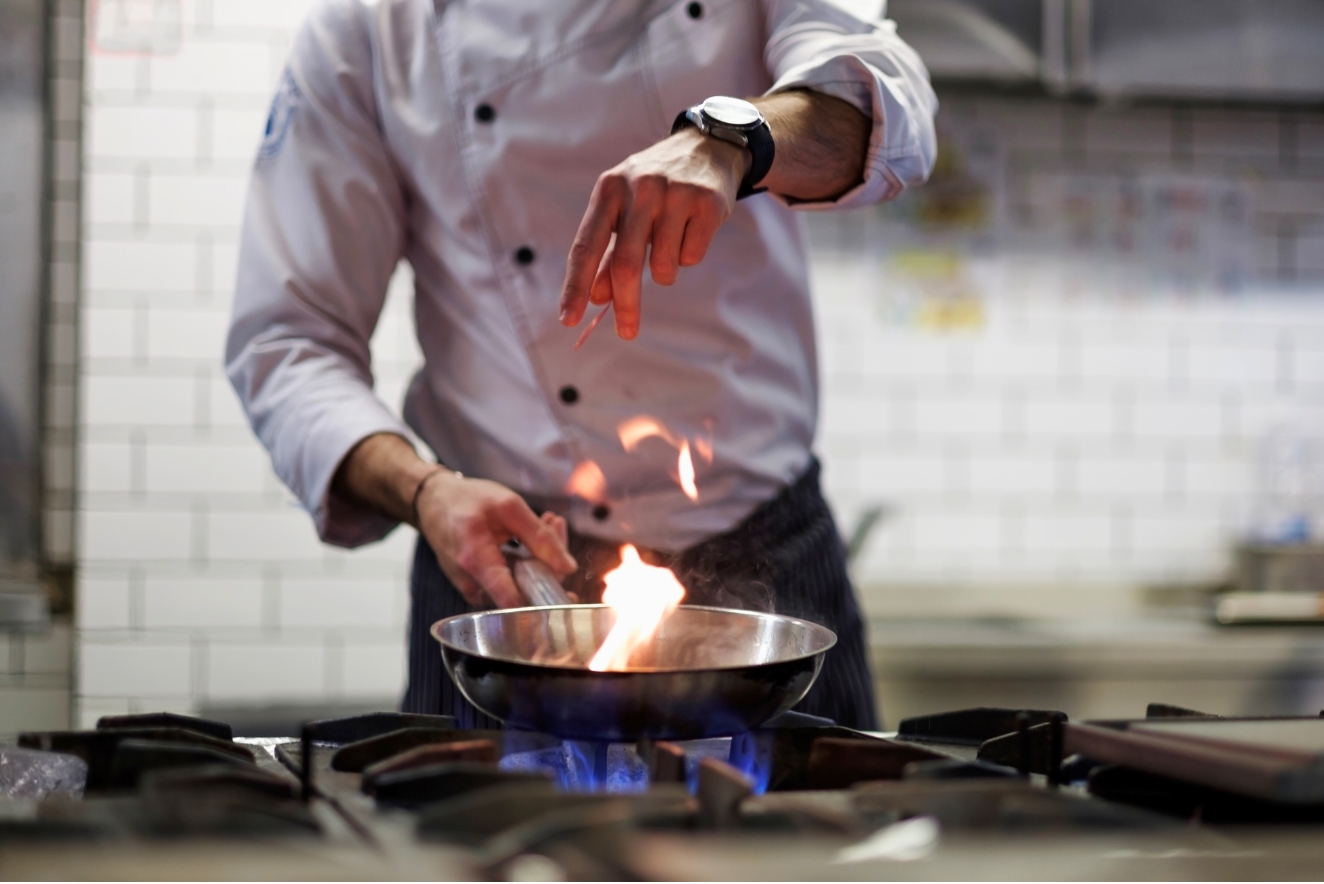
This is the professional-kitchen lesson worth borrowing. Restaurants do not standardize tools because standardization looks advanced. They do it because repeatable inputs create repeatable output. Your home kitchen needs the same discipline at a smaller scale.
Build Kitchen Automation Around Temperature
Temperature is the most productive place to automate because it affects quality, safety, and timing at once. A probe thermometer with remote alerts is more valuable than many countertop gadgets. It lets you step away from a roast, smoker, bread bake, or braise without hovering near the oven door and guessing.
For cooks who batch-prep proteins, a precision cooker can earn its space quickly. It is not magic, and it is not the right tool for every meal. Searing still matters, bags create waste unless you use reusable options, and a water bath takes planning. But for chicken breasts, pork chops, eggs, and large batches of vegetables, controlled cooking removes the narrow window between underdone and dry.
A smart countertop oven can be equally effective if it has reliable temperature calibration and useful presets. Look past recipe libraries. The features that matter are a probe input, multi-stage cooking, notification control, and a cavity large enough for your actual cookware. A small appliance that cannot fit a sheet pan, Dutch oven, or family portion becomes a novelty fast.
The strongest setup often combines one connected oven or thermometer with a simple system: each staple protein gets a saved target temperature, resting time, and finishing method. That turns dinner from live improvisation into a short sequence you can execute even when the rest of the day has been noisy.
Use alerts as handoffs, not interruptions
Notifications should tell you when to take action, not narrate every appliance event. Disable low-value alerts. Keep only the ones that prevent a mistake: preheat complete, probe target reached, cook cycle finished, or a refrigerator door left open.
That distinction matters. A kitchen that pings constantly creates the same cognitive clutter as a bad workplace chat channel. The point is fewer checks, not more digital noise.
Automate Prep Without Filling the Counter
Prep is where many people overestimate the value of automation. Chopping onions by hand is not necessarily a system failure. Spending 25 minutes chopping vegetables after a late meeting might be.
A food processor is still one of the best automation-adjacent tools in the kitchen because it compresses repetitive labor without requiring an account, a subscription, or a software update. It excels at large-volume slicing, grating, dough mixing, sauces, and batch vegetable prep. The trade-off is cleanup. If the machine has too many awkward parts, it will stay in a cabinet while you reach for a knife.
For high-frequency tasks, choose equipment based on setup-to-cleanup ratio. A powerful blender earns its place when it handles breakfast smoothies, soups, sauces, and dressings across the week. An electric kettle is a quiet workflow upgrade for tea, French press coffee, instant grains, and blanching. A rice cooker with scheduling can stabilize the foundation of meal prep, especially when paired with a planned protein and a fast vegetable method.
Do not automate a process that only happens once a month. Automate the thing that drains your energy at 6:30 p.m. three nights every week.
The Refrigerator Is Your Most Important System
Most home food waste is not a cooking problem. It is an information problem. Ingredients disappear behind leftovers, expiration dates are treated as precise science, and shopping happens without a reliable picture of what is already in the house.
Kitchen automation can help here, but expensive camera-equipped refrigerators are rarely the first move. Their inventory recognition is imperfect, and they cannot tell whether a container holds usable herbs or last week’s takeout. Better results come from a simple operating rule: give food a location, a label, and a review point.
Use clear containers for prepped ingredients and leftovers. Label each with the item and date. Keep one visible bin for food that must be used within 48 hours. Then pair that physical system with a shared shopping list that updates in real time. When someone uses the last can of tomatoes or finishes the coffee beans, the item gets added immediately instead of becoming a memory test at the store.
This is where voice assistants can be useful. A hands-free command to add milk, rice, or dish soap works because it captures the request at the moment of depletion. Voice control is not a substitute for planning. It is a capture tool. The weekly meal plan and grocery review still need a human owner.
Create One Control Layer, Not Five
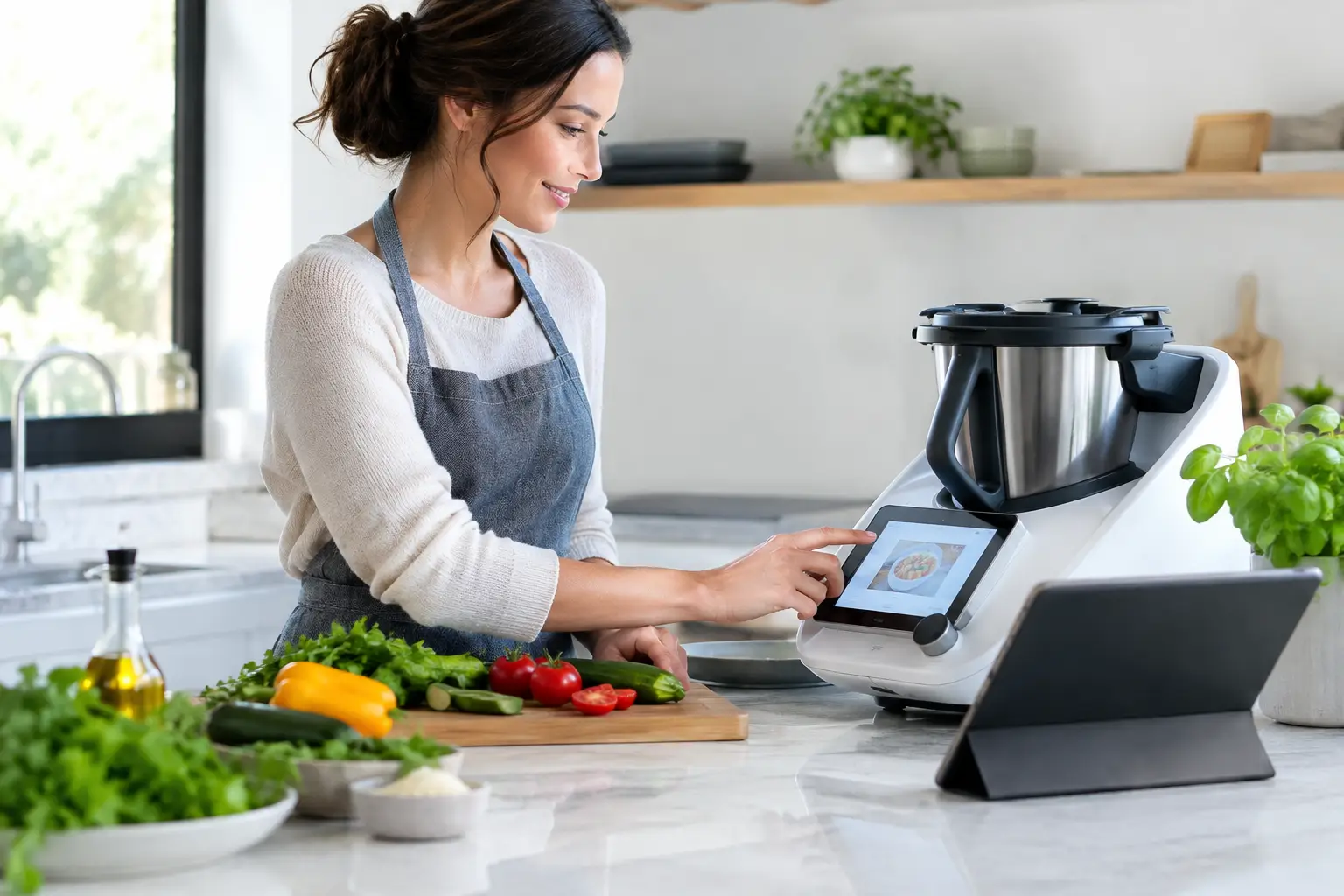
The connected kitchen gets clumsy when every device demands its own app, account, notification permissions, and firmware updates. Before buying, check whether an appliance works well from its physical controls. Connectivity should improve the tool, not become the only way to use it.
Choose one control layer for routines where it makes sense. That could be a voice assistant, a household task app, or a shared calendar. Keep it narrow. For example, a morning routine might start the kettle, display the day’s dinner plan, and remind you to move a frozen meal to the refrigerator. An evening routine might set a dishwasher reminder and switch off task lighting after cleanup.
Avoid connecting equipment that creates meaningful safety risk without supervision. Remote preheating can be convenient, but it also demands clear household rules. Never start a heat-producing appliance remotely unless the cooking chamber is confirmed empty, clean, and clear of packaging, towels, or cookware that should not be heated.
A Smart Dishwasher Is About Timing, Not Glamour
Dishwashers are often ignored in kitchen automation conversations, which is strange because cleanup determines whether a cooking habit survives. A dishwasher with delayed start, leak alerts, adjustable racks, and a quick cycle can meaningfully improve a high-use kitchen.
The useful workflow is simple: load throughout dinner prep, run after off-peak hours if your utility pricing rewards it, and unload during the next morning’s coffee routine. The automation is not just the cycle. It is assigning cleanup to a predictable point in the day so dirty cookware does not become tomorrow’s obstacle.
If you are replacing a dishwasher, prioritize rack design and wash performance over a flashy app interface. A machine that holds your cookware well has more operational value than one that sends polished notifications while forcing you to hand-wash pans.
Measure Whether the System Is Working
A better kitchen should produce visible gains within a month. You should throw away less food, order fewer emergency meals, spend less time monitoring cooking, or make cleanup easier to maintain. If none of that happens, the system is adding complexity rather than removing it.
Run a short audit after four weeks. Which appliance was used at least twice a week? Which notification was genuinely helpful? Where did dinner still stall? In many homes, the answer is not another smart device. It is better freezer labeling, a prepared grain, a sharper knife, or a standing list of five meals that use overlapping ingredients.
The best kitchen automation fades into the background. It does not make you feel like you are managing a network of appliances. It gives you a calmer, more reliable way to put good food on the table when your schedule has no interest in cooperating.