Sunday at 6 p.m. is where good food habits usually fail. The fridge is half-random, takeout sounds easier, and every “quick dinner” still turns into 45 minutes of chopping and cleanup. A beginner guide to meal prepping should fix that friction, not turn your kitchen into a full-time production line.
The mistake most beginners make is copying fitness influencers or restaurant-style batch cooking systems that assume unlimited containers, time, and patience. Real meal prep works when it behaves like a small operating system. It reduces decisions, keeps your tools minimal, and gives you enough structure to eat well on a busy Tuesday without feeling trapped by food you cooked four days ago.
Beginner guide to meal prepping: start with a system, not recipes
If you begin with five ambitious recipes, meal prep becomes a weekend project. If you begin with a repeatable system, it becomes maintenance. That distinction matters.
The simplest useful system has three parts: one protein base, one starch or grain, and two vegetables with different textures. Add one sauce or seasoning direction, and you have enough flexibility to build lunch bowls, quick dinners, wraps, or salads without eating the exact same plate every day.
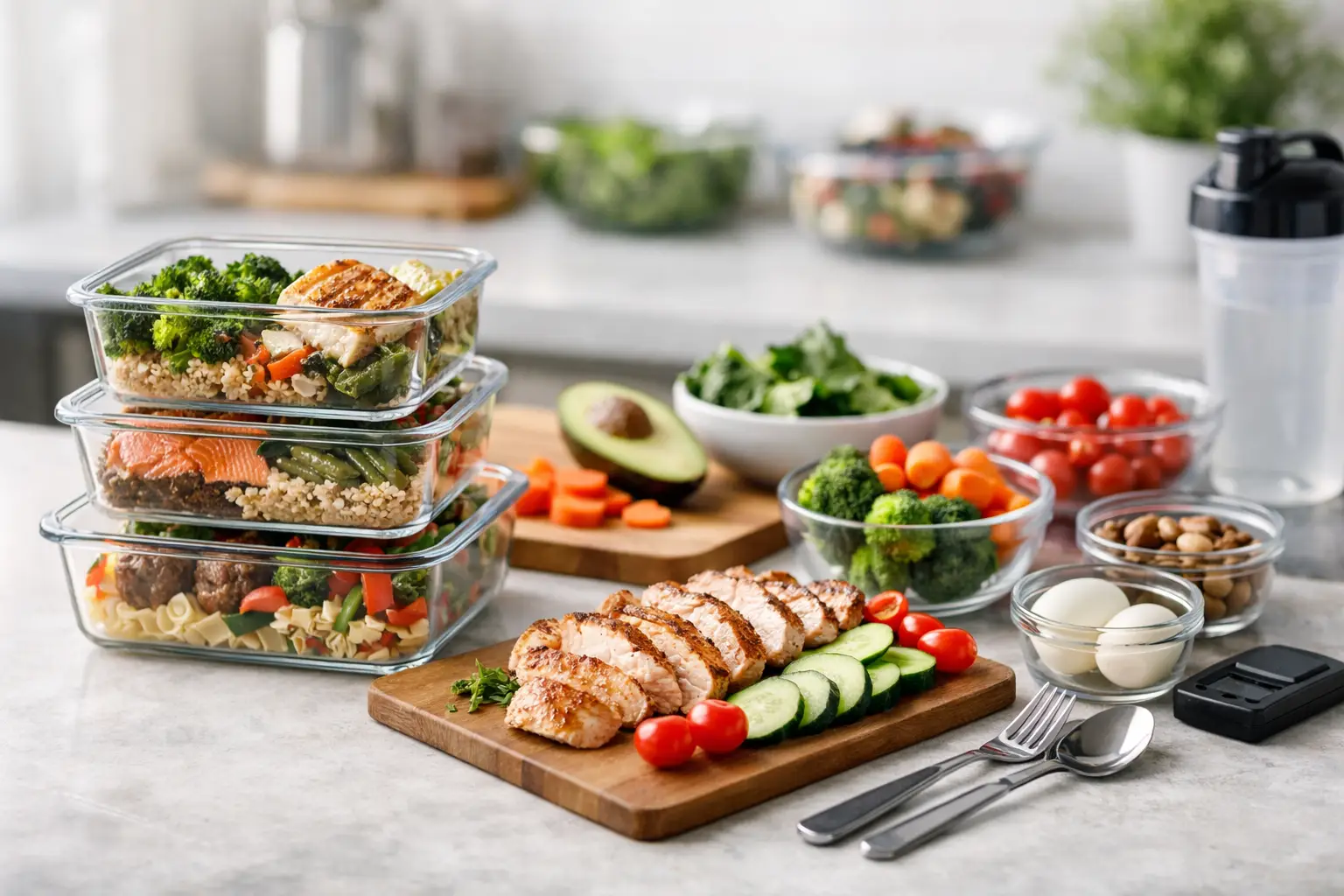
For example, roasted chicken thighs, cooked rice, roasted broccoli, and sliced cucumbers already cover more ground than most people realize. On Monday, that becomes a rice bowl. On Tuesday, the chicken goes into a wrap with yogurt sauce. On Wednesday, the rice gets pan-fried with eggs and broccoli. The prep is identical. The meals feel different enough to stay usable.
That is the real beginner move. You are not meal-prepping finished identities for every meal. You are prepping components that can be recombined fast.
Choose the right prep model for your schedule
Most people do not need seven fully packed meals lined up in military formation. They need a format that matches how they actually live.
Batch cooking is the classic model. You cook large quantities of a few items once or twice a week. It is efficient and cheap, especially if you work standard hours. The trade-off is repetition. If you get bored easily, this model can backfire by Wednesday.
The second model is ingredient prep. You wash greens, chop vegetables, cook a grain, and prepare one or two proteins, but you do not assemble everything in advance. This takes slightly more work during the week, but it gives you more variety and better texture. It is often the better long-term option for households with different tastes.
The third model is hybrid prep, which is the smartest starting point for most beginners. Prep two or three grab-and-go meals for your busiest days, then keep a few cooked components ready for flexible use. That way, lunch is handled, but dinner is not locked in.
If your weekdays are chaotic, hybrid wins. If your goal is aggressive cost control, batch cooking has an edge. If you care most about freshness and flexibility, ingredient prep is stronger. There is no perfect format. There is only the one you will repeat next week.
Build a short meal prep workflow
A good meal prep session should feel more like a clean kitchen shift than an all-day event. Ninety minutes is enough for most people if the workflow is tight.
Start by choosing no more than two proteins, one starch, and a few produce items. More than that usually creates drag. Then organize the order of operations around appliance efficiency. Put anything that roasts in the oven first. Start grains or beans while the oven is working. Use the cutting board while those cook. Finish with sauces, eggs, or quick stovetop items.
This sequencing matters more than people think. Meal prep gets tiring when every task waits for the previous one. Overlap the work and the kitchen suddenly feels manageable.
Here is a practical example. Roast a sheet pan of chicken and vegetables at the same temperature. Run rice in a cooker or pot at the same time. Mix a quick sauce while both are cooking. Portion some meals, leave some components loose, and stop. That is enough. You do not need a spreadsheet and twelve mason jars.
The equipment that actually helps
Most meal prep advice focuses on motivation. The real leverage is hardware. Bad tools create friction, and friction kills consistency.
You need a sharp chef’s knife, a large cutting board, two sheet pans, a pot or rice cooker, and containers that stack cleanly in the fridge. Glass containers are excellent for reheating and longevity, but they are heavier and more expensive. BPA-free plastic is lighter and often easier for work lunches. If budget matters, start with a matched set of medium containers instead of buying every size at once.
A digital kitchen scale is useful if you are tracking macros or trying to control portions without guessing. It is not mandatory, but it removes a lot of vague decision-making. A salad spinner is worth it if you eat greens regularly because wet greens spoil fast and make packed meals feel tired.
If there is one underrated tool in a beginner guide to meal prepping, it is a labeling system. Painter’s tape and a marker are enough. Date the food. You will waste less and trust your fridge more.
Keep the food safe and the texture decent
Meal prep fails when the food gets soggy, dry, or suspicious by day four. Safety and texture are not glamorous topics, but they are the difference between a useful system and expensive leftovers.
Cool cooked food before sealing it tightly, but do not leave it sitting out for hours. Store sauces separately when possible. Keep crunchy vegetables separate from hot items if you want them to stay crisp. Rice, roasted vegetables, grilled proteins, beans, and sturdy pastas tend to hold up well. Delicate fried foods, sliced avocado, and heavily dressed greens usually do not.
Freezing is underused. If you prep more than three to four days of the same cooked meal, freeze some of it on day one. That gives you a backup meal later in the week and prevents the low-key resentment that comes from forcing yourself through repetitive leftovers.
Portion for real life, not for ideal behavior
Many beginners portion meals based on what they think they should eat. That is a fast way to end up raiding snacks at 4 p.m.
Instead, portion according to the role of the meal. A desk lunch on a low-movement day may need less starch than a post-workout dinner. A parent eating in fragments between tasks may need more protein and a more portable format. If you know you get hungry at night, prep a more substantial dinner or a planned snack. Systems work best when they respect your behavior patterns.
There is also no rule that every container must be a full meal. Prep snack boxes, breakfast jars, washed fruit, or protein portions if those are the moments where your week usually slips. Meal prep is not only about dinner. It is about protecting your weak points.
A simple five-day setup for beginners
For a first week, keep it almost boring. Cook one tray of chicken thighs, one pot of rice or roasted potatoes, one cooked vegetable like green beans or broccoli, and one raw item like cucumbers, carrots, or shredded cabbage. Make one sauce such as lemon yogurt, tahini dressing, or a simple salsa.
Pack two or three complete lunches. Leave the rest as separate components. Add breakfast only if mornings are currently a problem. Add snacks only if you routinely buy expensive convenience food during the workday.
The point is not culinary range. The point is proving that your system survives contact with real life.
Common mistakes that make beginners quit
The first mistake is doing too much too soon. If your first prep day takes four hours, you built a special event, not a routine.
The second is choosing foods that do not reheat well. Dry chicken breast, overcooked pasta, and mushy vegetables make people think they hate meal prep when they actually hate bad leftovers.
The third is ignoring variation. You do not need different meals every day, but you do need multiple ways to finish the same ingredients. A sauce, spice blend, or serving format can carry that difference.
The fourth is treating containers as storage instead of interface. If opening your fridge feels chaotic, you will reach for easier options. Visible, stackable, clearly labeled meals reduce decision fatigue. This is where kitchen organization starts acting like productivity infrastructure.
Make meal prepping boring in the best way
The best meal prep routine is not impressive. It is repeatable, slightly customized, and hard to mess up. That is why professional kitchens rely on systems instead of inspiration. They reduce variables, standardize the setup, and make execution easier when energy is low.
You can do the same at home without turning your weekend into unpaid restaurant labor. Pick a prep window. Keep the menu narrow. Improve one friction point each week, whether that is better containers, faster knife work, or more realistic portions. NawaMag readers already understand this principle in business, tech, and travel: the strongest systems are the ones you can trust under pressure.
Treat meal prep that way, and your kitchen stops being a source of daily negotiation. It becomes a quiet advantage.