Why Cities Change
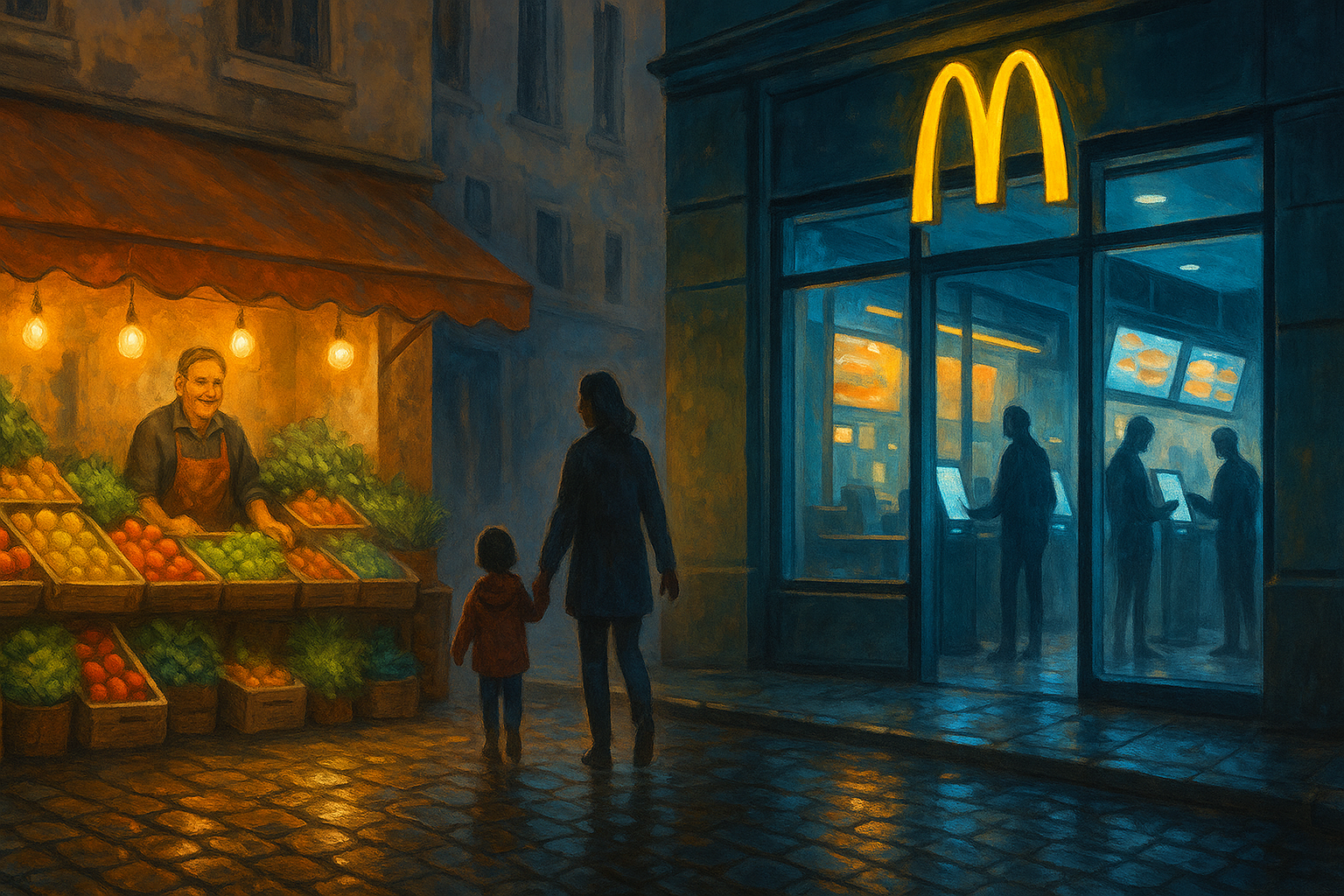
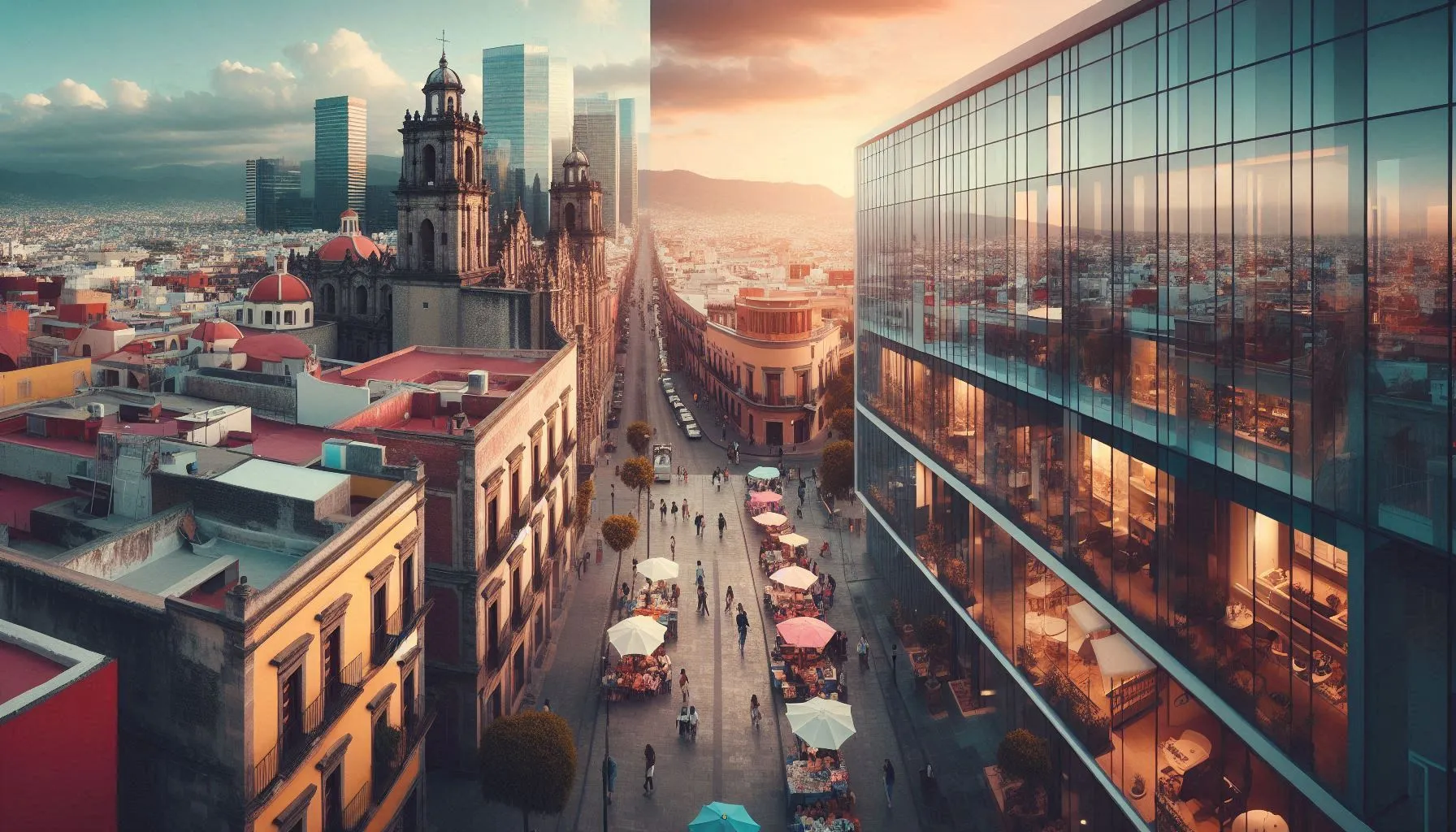
In Mexico City’s Roma Norte, a third-generation tortillería now sells artisanal sourdough. In Barcelona’s El Raval, century-old bodegas have morphed into co-working cafes. These shifts may seem local and isolated, but they echo a broader story: cities on both sides of the Atlantic are transforming at breakneck speed.
What’s driving this change?
We analyzed five years of data from major cities in Mexico and Spain to explore how neighborhoods evolve—not just economically, but culturally and socially. The patterns are surprising and reveal much more than the usual debate between gentrification and preservation.
This isn’t about resisting change. It’s about understanding it—and guiding it in a way that protects the soul of our communities.
The Tale of Two Countries
Mexico and Spain, though separated by geography, face a common challenge: urban transformation without displacement. From Tulum to Madrid, from Oaxaca to Valencia, neighborhoods are changing—and fast.
By the Numbers
-
Mexico City rents have surged 168% in five years.
-
Tulum tops the chart with a 205% increase and a 45% local displacement rate.
-
Barcelona saw a 145% rent hike and a 28% drop in traditional cultural venues.
Beneath these numbers lie stories of community upheaval and reinvention.
Migration vs Gentrification: Not the Same Thing
Before we go further, let’s clear up a common misconception.
-
Migration is the movement of people, across borders or within.
-
Gentrification is the transformation of neighborhoods due to an influx of wealthier residents—often leading to rising prices and the displacement of long-time locals.
While these processes often overlap, they’re not interchangeable.
Mexico’s Rapid Rise—and Growing Pains
Roma Norte, once a working-class enclave, has become a hotspot for global creatives and tech entrepreneurs. Local rents have skyrocketed. Family businesses have either pivoted—or perished.
Tulum’s story is even more extreme. Once a sleepy coastal town, it now hosts international digital nomads and eco-resorts. The result? A booming economy, but also rising inequality and cultural dislocation.
Spain’s Struggle to Stay Local
Barcelona’s transformation is more subtle, but equally intense. As rents climbed, traditional tapas bars gave way to gourmet chains. Boutique hotels replaced aging apartment blocks. Meanwhile, cultural venues dropped by 28%.
Valencia offers a potential middle path. With slower changes and more moderate growth, it’s become a model for more balanced development.
Not All Bad News: Economic Growth and Innovation
Here’s the bright side.
-
Local GDP in gentrified areas rose by an average 48%
-
New business creation surged:
-
72% in Mexico City
-
65% in Barcelona
-
-
Community integration programs, when well-designed, showed a 65% success rate
These numbers suggest that urban transformation can bring opportunity—if managed thoughtfully.
What We’re Losing
But let’s not ignore what’s vanishing:
-
Traditional businesses and cultural spaces have dropped by 32%
-
Displacement rates vary between 24% and 45%
-
Local markets and venues are disappearing at alarming speed
What’s at stake isn’t just affordable housing—it’s identity.
What’s Working: Smart Solutions from Both Sides
Some cities aren’t just reacting. They’re innovating.
1. Mixed Development Rules
-
Barcelona’s “Right to Stay” initiative
-
Mexico City’s affordable housing quotas
2. Cultural Preservation
-
Protected status for long-standing local businesses
-
Heritage zones with restricted development
3. Community Integration
-
Resident involvement in urban planning
-
Local business incubators to help older economies adapt
The Big Question: Can We Guide Change Without Losing Ourselves?
Cities will always evolve. Migration and investment aren’t inherently bad. But without clear values, planning, and inclusive policy, these forces can hollow out the very character that once made a place special.
The challenge isn’t to freeze time. It’s to make room for change while honoring the people and culture that give a city its soul.
Reflection Prompt for Comments:
What have you witnessed in your own city? Are there examples of smart, human-centered development where you live? Or is your neighborhood at risk of losing its roots?