The sound cuts through the soft hum of the coworking space like a metronome — sharp, deliberate clicks that seem oddly out of place amid the gentle tapping of modern keyboards.
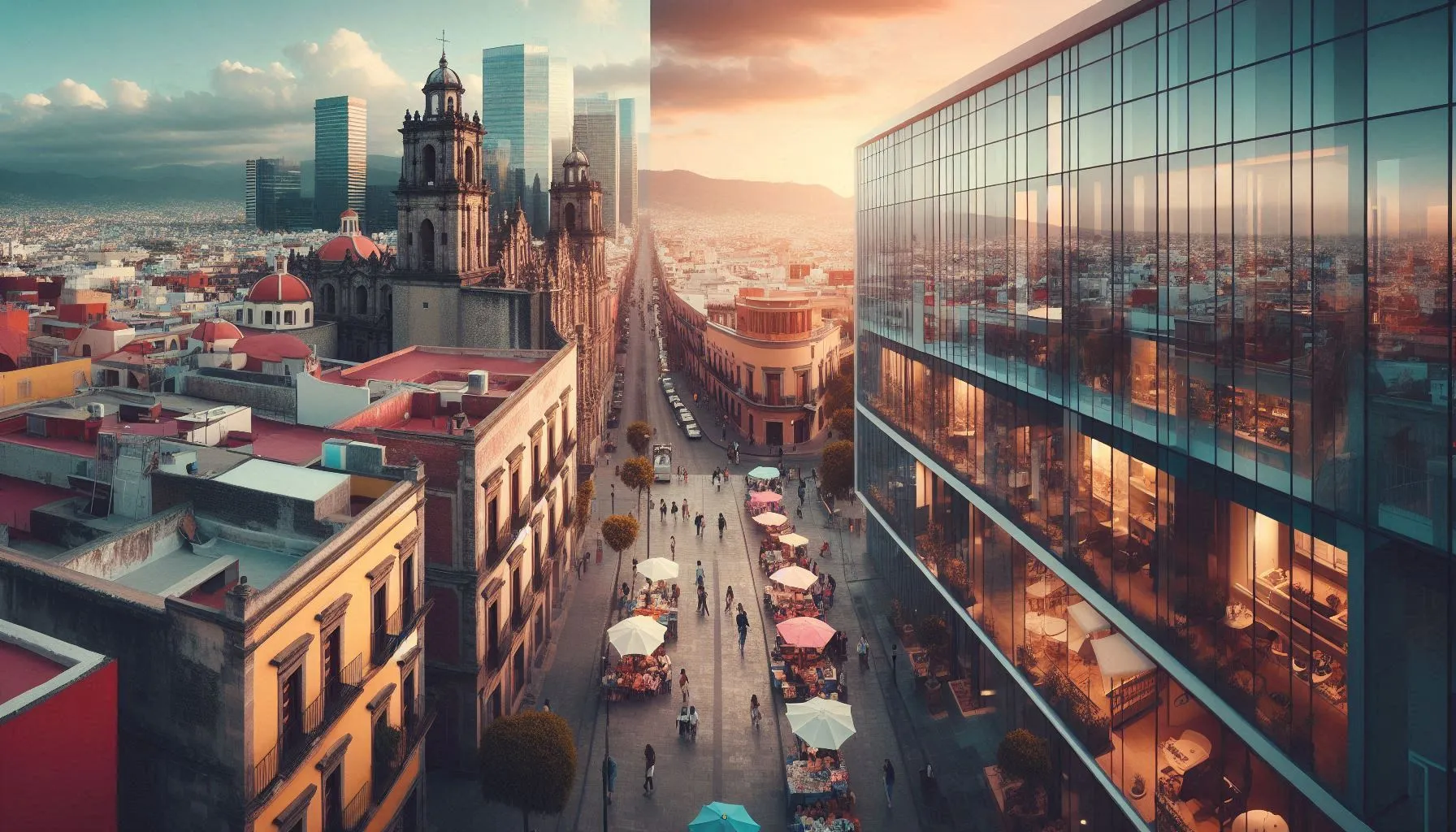
It’s morning in Zaragoza, Spain. Most people are glued to their screens, earbuds in, lost in their digital tasks. But one sound stands out.
Click. Click. Click.
Each keystroke carries weight, purpose — almost aggression. It comes from a man in his sixties, maybe early seventies, sitting three tables away. His fingers move with rhythm, striking each key with the force of someone who once used a typewriter every day.
There’s something strangely beautiful about it — a quiet defiance against a touchscreen world.
“He must have learned on a typewriter,” I whisper to my wife across the table.
She smiles. “Enjoy it,” she says. “The next generation might never see people like him.”
Her comment lingers longer than it should.
The Things We Leave Behind
Later that evening, walking back to our rented apartment, I can’t shake her words. I start thinking about my grandmother’s house — a time capsule of forgotten objects: a rotary phone, a cassette player, a manual egg beater she refused to replace.
Where are those things now?
Gone. Replaced. Relegated to nostalgia shops and retro TikToks.
I remember my father teaching me to load film into a camera — careful not to expose it to light. My niece, now seven, has never seen film. She’s never known the anxiety of waiting days just to see if a photo turned out right.
And it hits me.
One day, we too will fade.
The Hands That Hold the Tools
That man with his emphatic typing — he won’t be here forever.
Neither will I. Neither will my wife. Neither will you.
We are temporary residents, passing through a world that keeps changing. The tools we use, the rhythms we follow — they’ll all seem strange one day to someone else.
We won’t be remembered for the devices we held — but for how we used them.
The Inevitable Cycle
The 80-year-olds of today grew up in a world with no personal computers. No smartphones. No social media.
In 20 years, most won’t be here.
And in another 40, many of us won’t be either.
It’s not morbid — it’s just true.
Each generation builds its way forward, only to be replaced by the next. The march of time isn’t personal. It just… is.
What We Leave Behind
So the real question becomes: What do we leave behind?
If we’re just passing through, what traces do we want to leave?
Will we be remembered as the generation that drowned in consumption?
Or as the one that paused, reflected, and chose better?
Will we be remembered for deep connections, creative beauty, and a fight for kindness?
Or for our arguments online and our endless chase for more?
The Present Moment
A week later, I’m back in the coworking space.
The man is there again, in the same spot.
Click. Click. Click.
I wonder what the world will sound like in 40 years. What tools will people use? What will they look back on and say, “How strange people once did it that way”?
No one here knows what lies ahead. But we do have this moment.
So I pay attention — to the keystrokes, the sunlight, the smell of coffee, the presence of people I love.
Because this moment — like every moment — is temporary.
And that’s exactly why it’s precious.
A Legacy, Keystroke by Keystroke
The man looks up, catches me watching.
He nods. I nod back.
And I realize — his typing has become more than a sound.
It’s a reminder.
Time moves on. So do we.
But the legacy we build — through our care, our presence, our choices — that is ours to leave behind.
Click.