Change the Place, Not Just the Routine
In 1963, the German writer Heinrich Böll wrote a short story for a May Day radio broadcast. A well-dressed tourist on the west coast of Europe finds a fisherman dozing in his boat in the middle of the day. The tourist can’t stand it. He offers the man a cigarette, and then he offers him a plan. Go out more often. Catch more fish. Buy a motor, then a second boat, then a fleet. Build a cold store, a smokehouse, maybe a factory. And then, the tourist says, you could sit here in the harbour and doze in the sun without a care in the world.
The fisherman tells him he is already doing that.
Later the story crossed the Atlantic and got a new setting. In the version most Americans know, the tourist is an investment banker and the fisherman is Mexican, sitting on a small dock in a coastal village. It has been shared so many times that it is close to a cliché. But the new setting says something. When Americans wanted a picture of a life that runs on different rules, they didn’t look across an ocean. They looked right next door.
Most of the advice about how to live comes from one place, even when it pretends to come from everywhere.
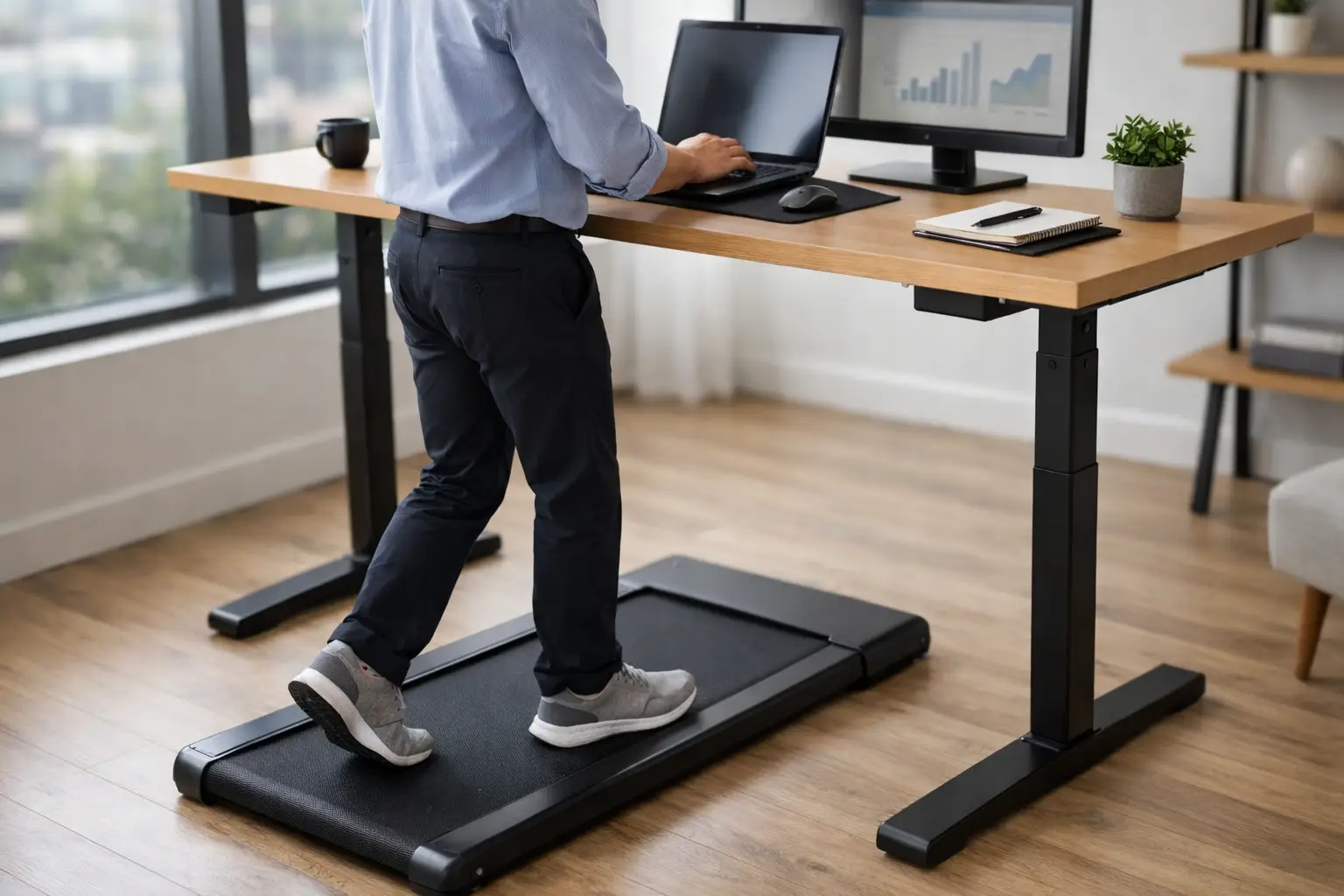
It comes from the United States and Europe. It assumes a certain kind of job, a certain kind of morning, a certain kind of street, a certain kind of rent, a certain kind of day. It assumes the problem is inside you, and the fix is inside you too. Wake up earlier. Optimize the morning. Fix the routine. Try harder at the same life, in the same place, with the same pressures. The tourist in Böll’s story would have loved it.
Life looks different outside the US and European lens
Life in other parts of the world is different. Drastically different, sometimes right next door.
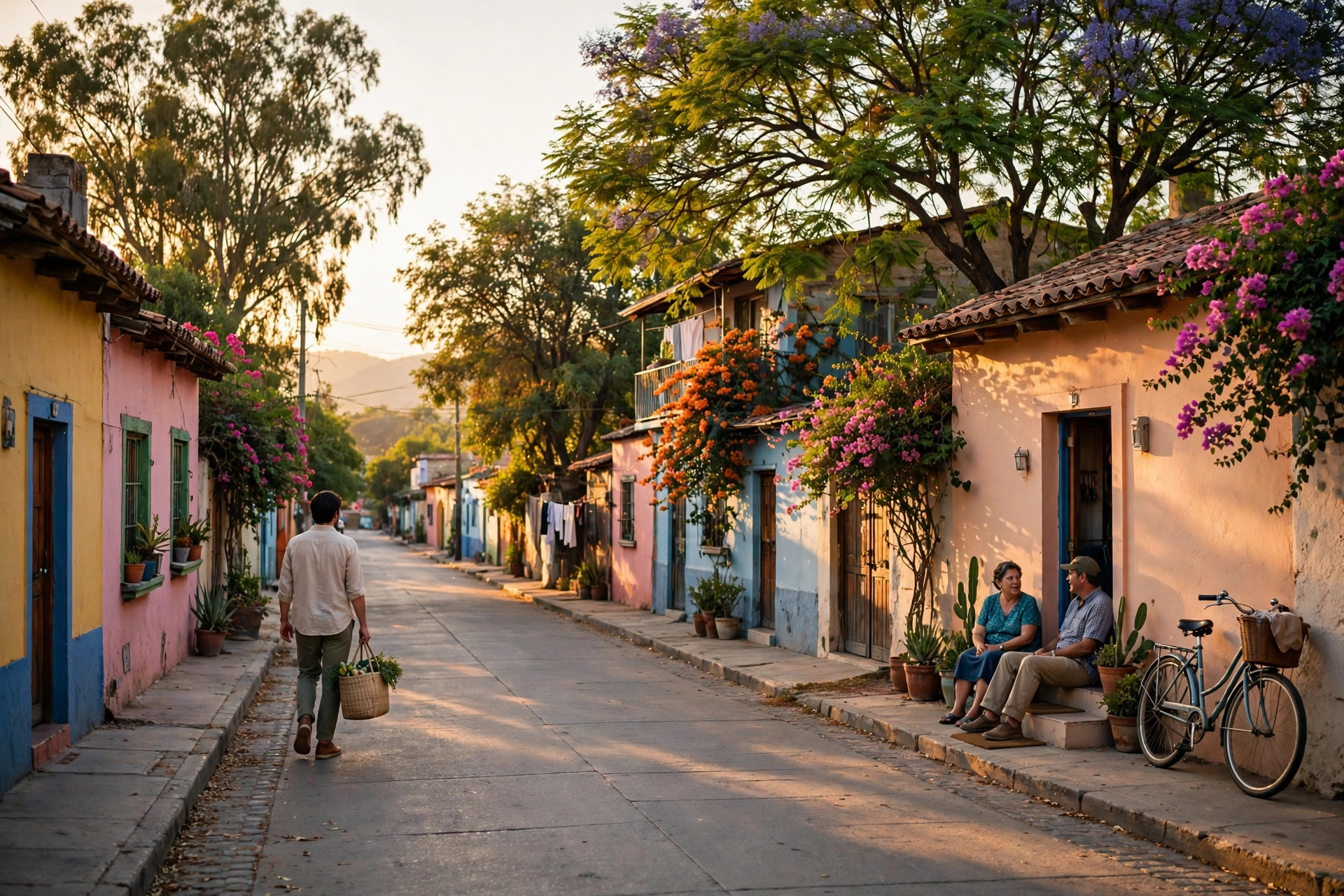
Latin America sits beside the United States. It shares a border, a time zone in places, and a long history. Yet daily life runs on different rules. Work starts and ends differently. Lunch is not something you eat at a desk in ten minutes. A neighbour knows your name. A plan that takes three signatures in one country takes a conversation in another. A problem that feels urgent in one place can wait until tomorrow in another, and the world does not end.
None of this is better or worse. It is different, and that difference matters more than most advice admits.
Perspective stops the panic
When you only see life through a US or European lens, it is easy to panic. The news, the feed and the people around you all point the same way, and it starts to feel like the whole world is moving in that direction. It can feel like there is no outside to it.
There is an outside. Seeing how life works in other parts of the world won’t fix your problems, but it gives you perspective, and perspective is a kind of relief. What is happening around you is not happening everywhere, in the same way, at the same speed. A different place has different pressures, different rhythms and different tradeoffs. Knowing that alone can help you panic a little less.
When the small fixes stop working
The usual question is: what is wrong with my routine? The advice answers it with more routine. Charge the phone outside the bedroom. Lay out your clothes the night before. Make the bed. Do yoga. All of it can help, in the right place, for the right person.
But when none of it works, month after month, it is worth asking a different question. What if the problem is not the routine, but the place?
Sometimes the honest answer is that you are trying to live calmly in a place built to keep you wound up. The commute, the cost, the pace, the noise, the feeling that you are always behind. No morning routine can outrun that for long.
A geographic change sounds drastic. Move. Leave the city, leave the country, start again somewhere else. It sounds like something only other people do, people with more money, more freedom, more courage. It sounds like giving up.
A geographic change is less drastic than it sounds
But look at what is already happening, quietly, and in large numbers.
The US State Department estimates that about 1.6 million American citizens live in Mexico. That is the largest American community anywhere outside the United States. Mexico’s own 2020 census gives a smaller figure, about 797,000 people born in the US. The two numbers count different things. The State Department figure includes US citizens born in Mexico, dual nationals and people who split their year between the two countries. The census counts where people were born.
The census number has a detail of its own. More than 470,000 of those US-born residents were between five and nineteen years old, and many of them are children of Mexican families who lived in the United States and then came home. So not everyone in these numbers is a retiree in San Miguel or a remote worker in Mexico City. Some are families who already knew both places and chose one.
That doesn’t weaken the point. It makes it stronger. Retirees, remote workers or families coming home, a very large number of people have already made the move that sounds so drastic. Most of them did it for ordinary reasons: lower costs, a slower pace, family, community, work they can do from anywhere, a life that fits better.
They did not all move because they were brave or rich or running away. Many moved because the small fixes had stopped working, and the bigger fix turned out to be less drastic than it sounded. They changed the place, and the routine changed with it.
This is not a suggestion that everyone should move to Mexico, or that one place is better than another. Mexico has its own pressures and tradeoffs, and anyone who lives here will tell you so. The point is simpler. If the advice keeps failing you, maybe you are not failing the advice. Maybe you need a different setting, not a different alarm clock.
A geographic change is not an escape from real life. It is a real-life decision, with real costs, and it is not right for everyone. But it deserves a place on the table next to the phone charger, the made bed and the yoga mat. It shouldn’t be treated as unthinkable.
So this week, try a different question. Not “how do I fix my morning?” but “what would my days look like somewhere else?” Which pressures would stay, and which would go? You don’t have to act on the answer. Just asking it honestly can change how you see the place you are in now.
The fisherman never needed the tourist’s plan. He only needed to know where he already was.
If you could change one thing about where you live, not your routine but the place itself, what would it be? Tell us in the comments. We read every reply.
Sources: