Are sunglasses bad for your eyes?
It’s a question I never asked myself—until I noticed something odd.
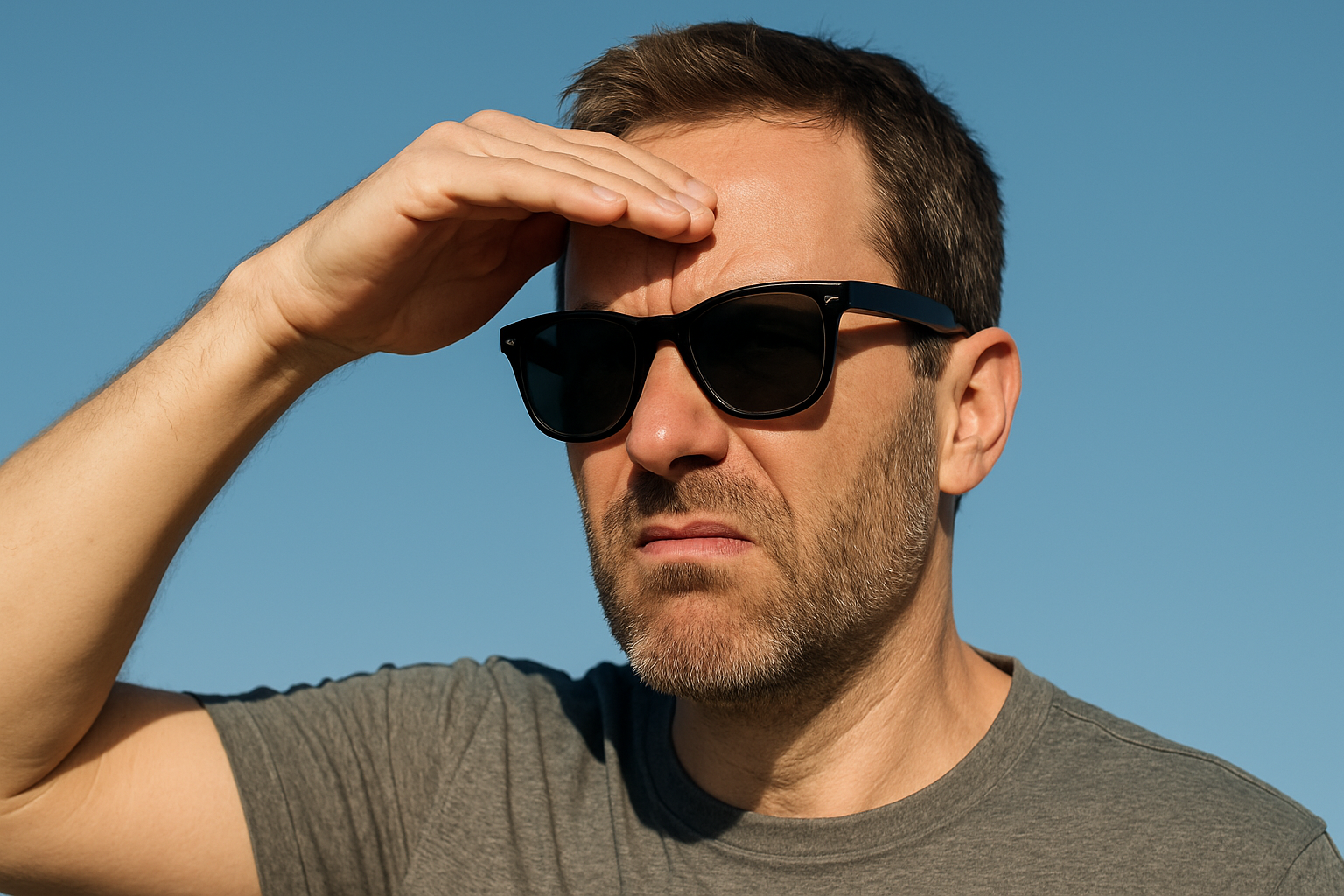
It started as a simple habit—protection from the blinding midday sun, especially while driving. But recently, I realized something odd: without them, I squint like crazy. My eyes feel overly sensitive, even weak. It got me thinking… have I overdone it with the sunglasses?
This curiosity took me down a rabbit hole. I started reading claims—some wild, some thoughtful—about how sunglasses might not always be doing us favors. Some people say they block essential sunlight, mess with our internal clocks, and even disrupt melanin production. Others go so far as to call them a corporate trick.
So, I decided to dig deeper. Let’s unpack the real story—what’s myth, what’s science, and how we can be smarter about protecting our eyes without becoming too dependent on those tinted lenses.
The Argument: Humans Didn’t Evolve With Sunglasses
This idea comes up a lot in natural health circles:
“If our ancestors lived without sunglasses and survived just fine, why do we suddenly need them?”
Fair question. Humans, after all, adapted to natural sunlight through melanin, squinting, and behavioral strategies like seeking shade. People in bright, snowy, or desert climates even used clever tools like carved bone goggles or veils to reduce glare.
But here’s where context matters.
Our ancestors also didn’t have concrete sidewalks, glass buildings, ozone depletion, or 12-hour days under fluorescent lights followed by sudden bursts of harsh sun. Today’s environment isn’t the same—and our exposure patterns are very different.
The Claims: Are Sunglasses Actually Harmful?
Let’s break down the four most common conspiracy-style claims and what science says about them:
1. Sunglasses block “essential” sunlight for eye and mitochondrial health.
Sunlight—especially blue light in the morning—is important for regulating sleep, energy, and mood. It resets our circadian rhythm and affects hormones like melatonin and cortisol. But this doesn’t mean UV light is good for your eyes.
UV rays, in fact, are harmful. Long-term exposure is linked to cataracts, macular degeneration, and even eyelid cancers. Good sunglasses block UV without cutting off visible light entirely.
Bottom line: You still get your “light dose” through sunglasses—but overuse, especially early in the day, might blunt some of those natural benefits.
2. They stop melanin production, increasing risk of sunburn.
This theory says sunglasses trick the body into thinking it’s in the shade, reducing melanin and increasing burn risk. But melanin is triggered by UV hitting the skin, not the eyes.
That said, sunglasses can give a false sense of protection—people often skip sunscreen, hats, or long sleeves because they feel protected. That’s not the sunglasses’ fault. It’s human behavior.
3. It’s all a corporate scam.
While the whole “psyop” angle is a stretch, let’s be honest: some companies do overhype UV fears to sell products. And cheap sunglasses without real UV protection can actually make things worse by dilating pupils and letting in more harmful rays.
So yes, be skeptical—but be smart. Look for sunglasses labeled UV 400, CE, or ANSI certified. Avoid the $3 roadside ones unless you’re sure they’re legit.
4. They cause eye damage by dilating pupils.
True—but only if your sunglasses don’t block UV. If you wear dark lenses with no UV filter, your pupils open wider… and let in more damaging rays. This can speed up degeneration and increase cancer risk.
My Realization: Use Them Wisely, Not Blindly
After reading the studies, hearing both sides, and reflecting on my own experience, here’s what I believe:
Sunglasses aren’t bad. In fact, they protect against real, proven damage.
But using them constantly, especially in the morning or in low-light conditions, might weaken your natural light tolerance.
Just like skin gets more sensitive when it’s always covered, eyes may become more sensitive if they’re never exposed to sunlight.
So, I’ve started taking short walks in the morning without my sunglasses. Letting my eyes adjust. Letting natural light do its thing. And then, when the sun is strong—or I’m driving or working outdoors—I put them back on.
How to Protect Your Eyes the Smart Way
Here’s what I recommend, based on research and personal experience:
Wear sunglasses in high-UV conditions: midday, on the beach, at high altitudes, or near reflective surfaces like water and snow.
Choose quality lenses: Look for UV 400 or labels that guarantee UVA and UVB protection.
Avoid wearing them all day: Especially in the morning when your body needs sunlight cues for hormone regulation.
Combine sunglasses with other protection: Sunscreen, hats, and protective clothing. Don’t let tinted lenses give you a false sense of safety.
Let your eyes re-adapt: Spend a few minutes each day outdoors without sunglasses (never staring at the sun—just natural exposure).
Final Thoughts: Balance, Not Fear
We live in a time where both blind trust and blind skepticism can be dangerous. The truth—like most things—sits somewhere in the middle.
Sunglasses are a useful, even essential, tool. But like any tool, they work best when used with intention. Protect your eyes, yes. But also give them a little space to function the way nature designed.
Let your eyes see the world—light, shadow, and all.
If this helped you rethink your sunglasses habit—or confirmed what you already felt—share this with a friend. Or step outside right now, take your shades off, and look (not directly) at the sky.
Your eyes might thank you.
Read more by us.
Discover how sustainable living can transform your home and life in 2024. Learn practical, eco-friendly tips for a happier, healthier you and a greener planet.