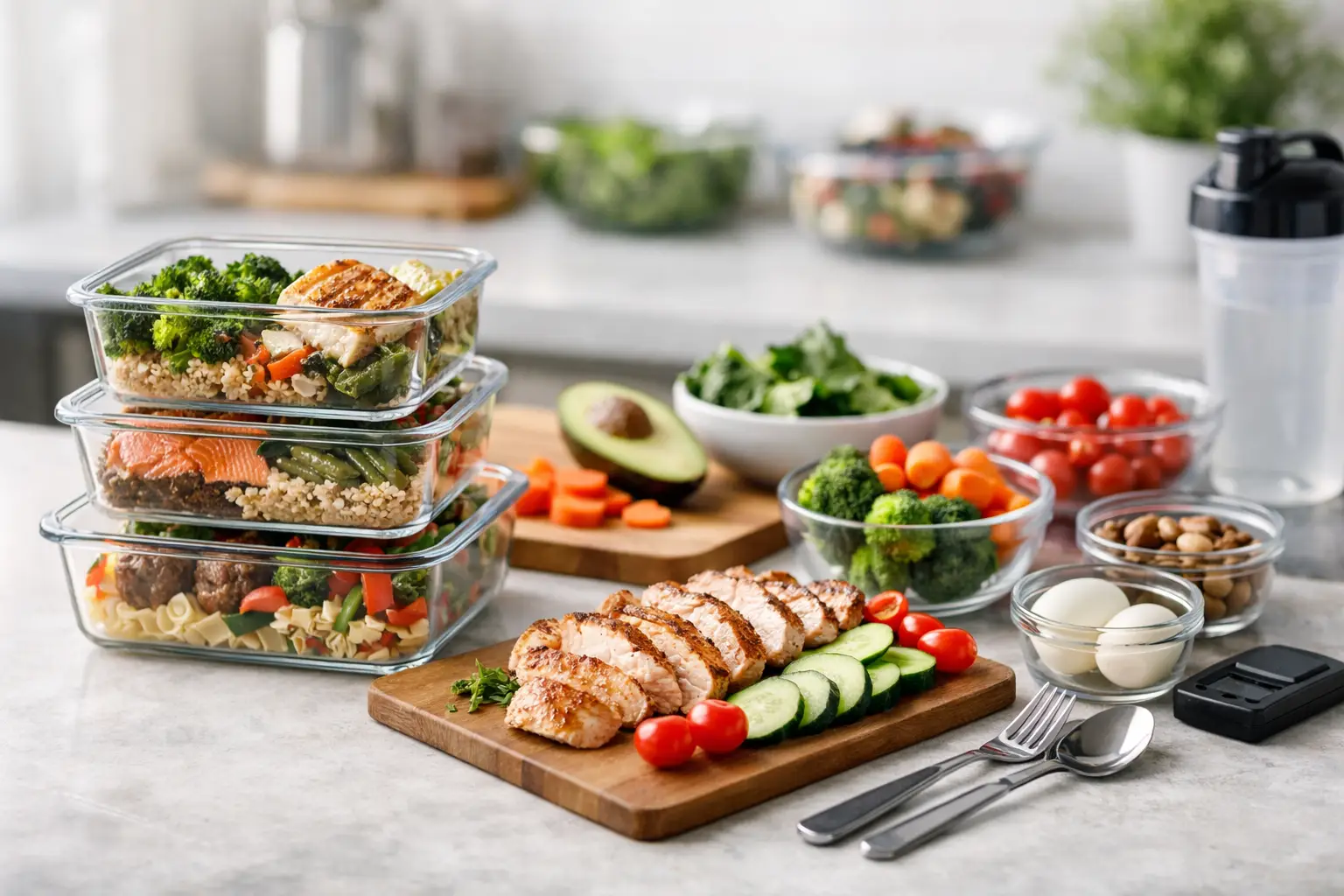
Wow—did you know the average person spends nearly 40 minutes a day preparing meals? That’s over 4 hours a week just figuring out what to eat.
But what if you could cut that time in half, slash your grocery bill, and eat better—all by planning ahead?
Welcome to the life-changing world of meal planning.
I remember when I first started. Total disaster! I bought way too much, ended up with a fridge full of wilted veggies, and still found myself ordering takeout by Wednesday. But things have changed.
Now, I’m a meal planning ninja—and I’m sharing everything I’ve learned.
This guide will walk you through how to plan, shop, prep, and cook with intention—saving you time, money, and mealtime stress. Let’s get into it.
What is Meal Planning and Why Should You Care?
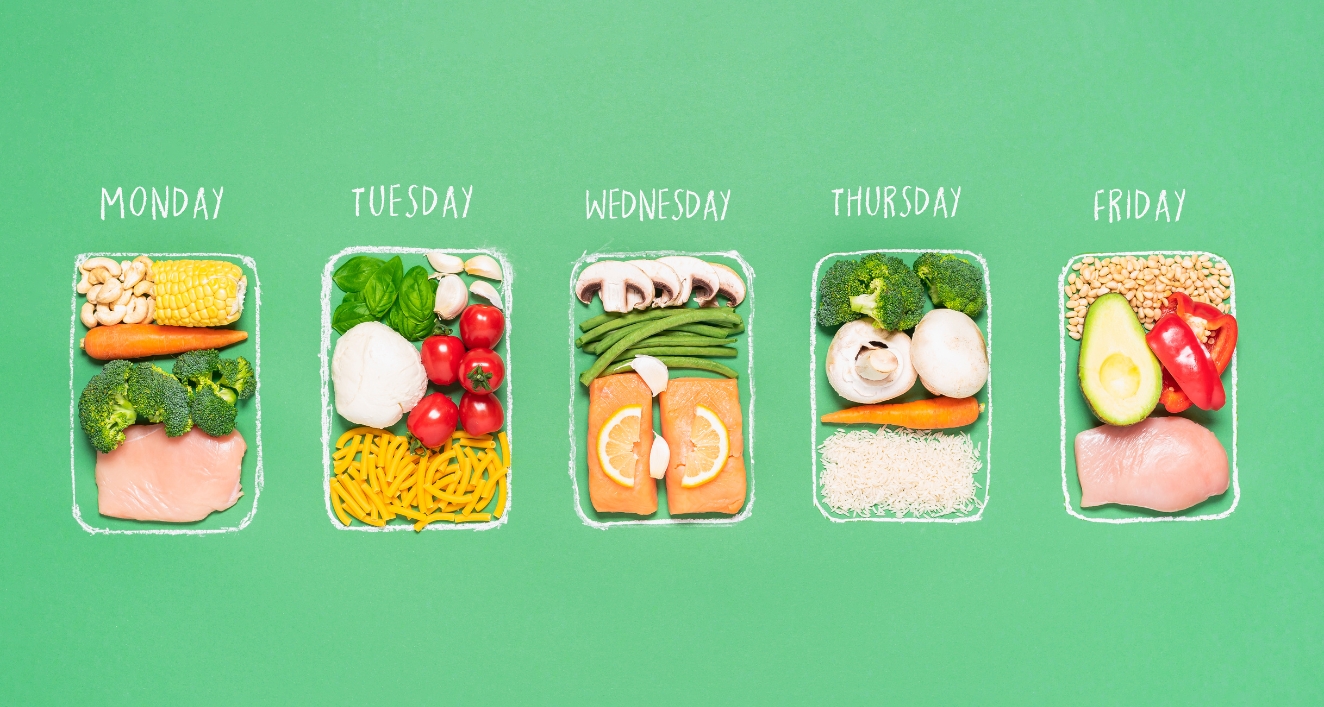
Meal planning is more than jotting down “chicken on Monday, fish on Tuesday.”
It’s about deciding ahead of time what you’ll eat for the week, creating a shopping list based on those meals, and prepping ingredients or full dishes in advance.
Think of it as being your own personal chef and nutritionist, rolled into one.
Here’s why it matters:
Time-saving: No more “what’s for dinner?” panic at 5pm.
Cost-effective: Fewer impulse buys. Less food waste.
Health-promoting: Balanced meals, planned ahead.
Stress-reducing: A calm kitchen is a happy kitchen.
You might think it sounds rigid or boring. I used to think that too. But real talk? It’s actually freeing. With a plan in place, you have more room to be creative and way less mental clutter.
Ready to dive in? Great! Let’s talk about the tools you’ll need to become a meal planning pro.
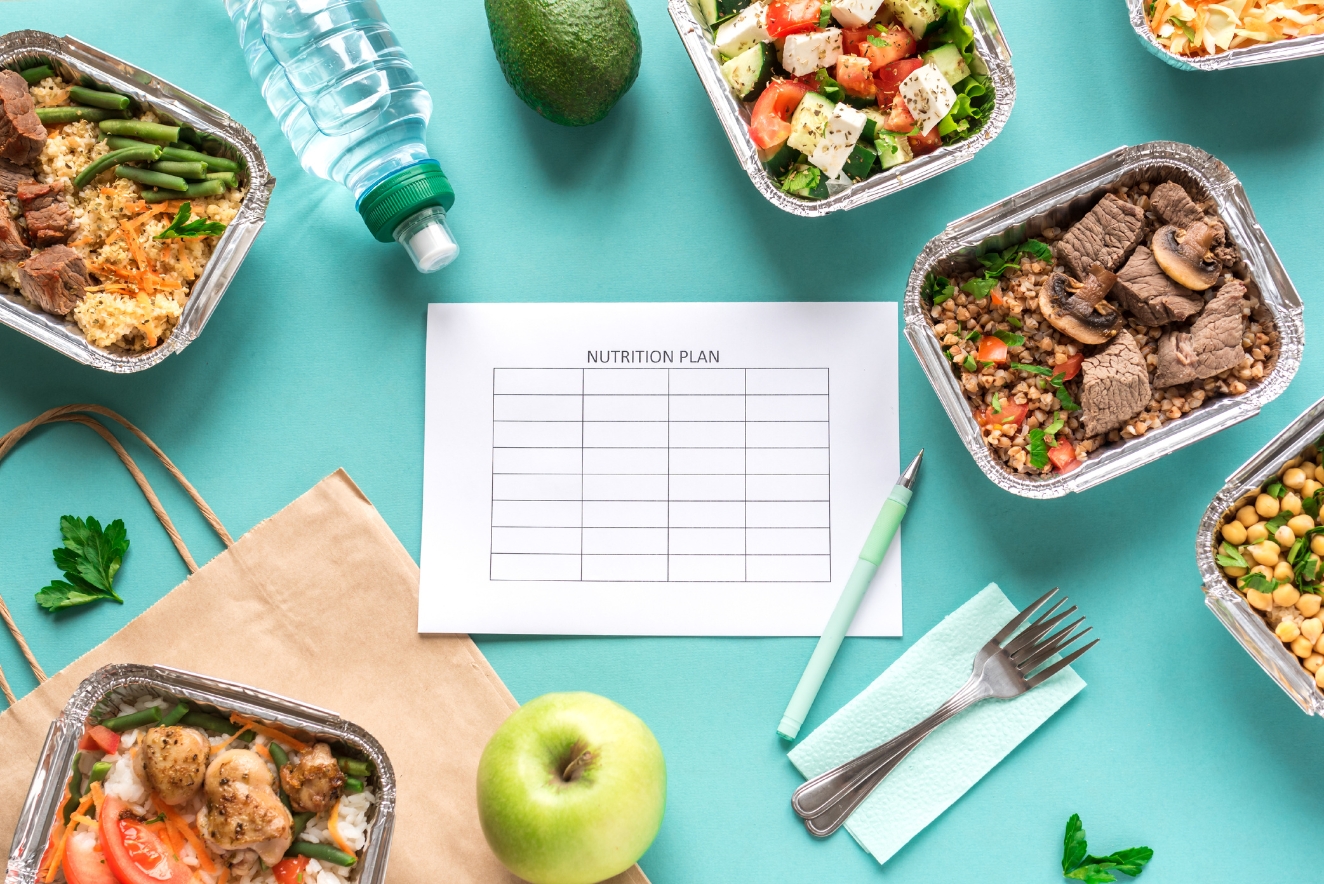
First things first – you need a place to record your meal plans.
First, you’ll need a place to record your meal plans. In 2025, we’ve got options galore—from smart digital planners to simple pen-and-paper tools. I personally love using aon my fridge – it’s visual, flexible, and easy to update.
Tools to Get Started
You don’t need fancy gear to get going. Just a few essentials:
A place to record your meal plan—this could be a magnetic dry-erase board , a printable planner, or a digital app.
A good set of food storage containers (glass is my favorite).
A slow cooker or Instant Pot for easy batch meals.
Sharp knives and a sturdy cutting board.
Pro tip: If portion control matters to you, invest in a simple kitchen scale. It’ll quickly become your best friend for consistency.
Also—tidy up your space. A clean, organized pantry and fridge makes planning and prep feel less like a chore and more like a ritual. Group items, label containers, and keep your most-used ingredients within arm’s reach.
Crafting Your Perfect Meal Plan
This is where you get to mix strategy with creativity.
Start by asking:
How many people am I cooking for?
Any dietary restrictions or preferences?
What does our schedule look like this week?
Then aim for balance. A good rule of thumb:
Proteins: meat, fish, eggs, legumes
Complex carbs: whole grains, starchy veggies
Healthy fats: avocado, olive oil, nuts
Veggies & fruits: fresh, seasonal, colorful
To avoid burnout, don’t overcomplicate things. Mix a few tried-and-true meals with one or two new recipes each week. I used to plan elaborate dinners every night. By midweek, I was exhausted. Now, I keep it flexible—with theme nights like Meatless Monday or Stir-Fry Friday.
Smart Shopping: Maximizing Your Grocery Budget
Alright, you’ve got your plan. Now let’s shop smart.
Make a list—and stick to it. Your list is your roadmap to savings and sanity. Organize it by store sections to save time and avoid impulse buys.
I’ll admit it—I’m a little old-school. I stick a magnetic grocery-list pad on the fridge—handy for jotting down “we’re out of cumin” the moment it happens (this is the exact one I use). There’s something satisfying about crossing things off with a pen.
But my husband? Full-blown tech geek. We share a synced Google Keep list on our phones, so once I scribble things down, I just snap a photo or type it in. That way, whoever hits the store has the master list in their pocket. Zero duplicates, zero “I thought you grabbed it.”
The combo works beautifully—and keeps us from overspending or forgetting key items.
These days, you’ve got no excuse to pay full price. Grocery apps let you compare prices, find digital coupons, and track store deals before you even leave the house.
Buying in bulk can help, too—but only if you’ll use it all. (Ask me about the 2-year quinoa stash I regret.)
Meal planning also cuts down on food waste. You’ll buy what you need, use what you have, and toss a whole lot less.
Meal Prep 101: Techniques for Efficient Cooking
Now it’s time to put that plan into action.
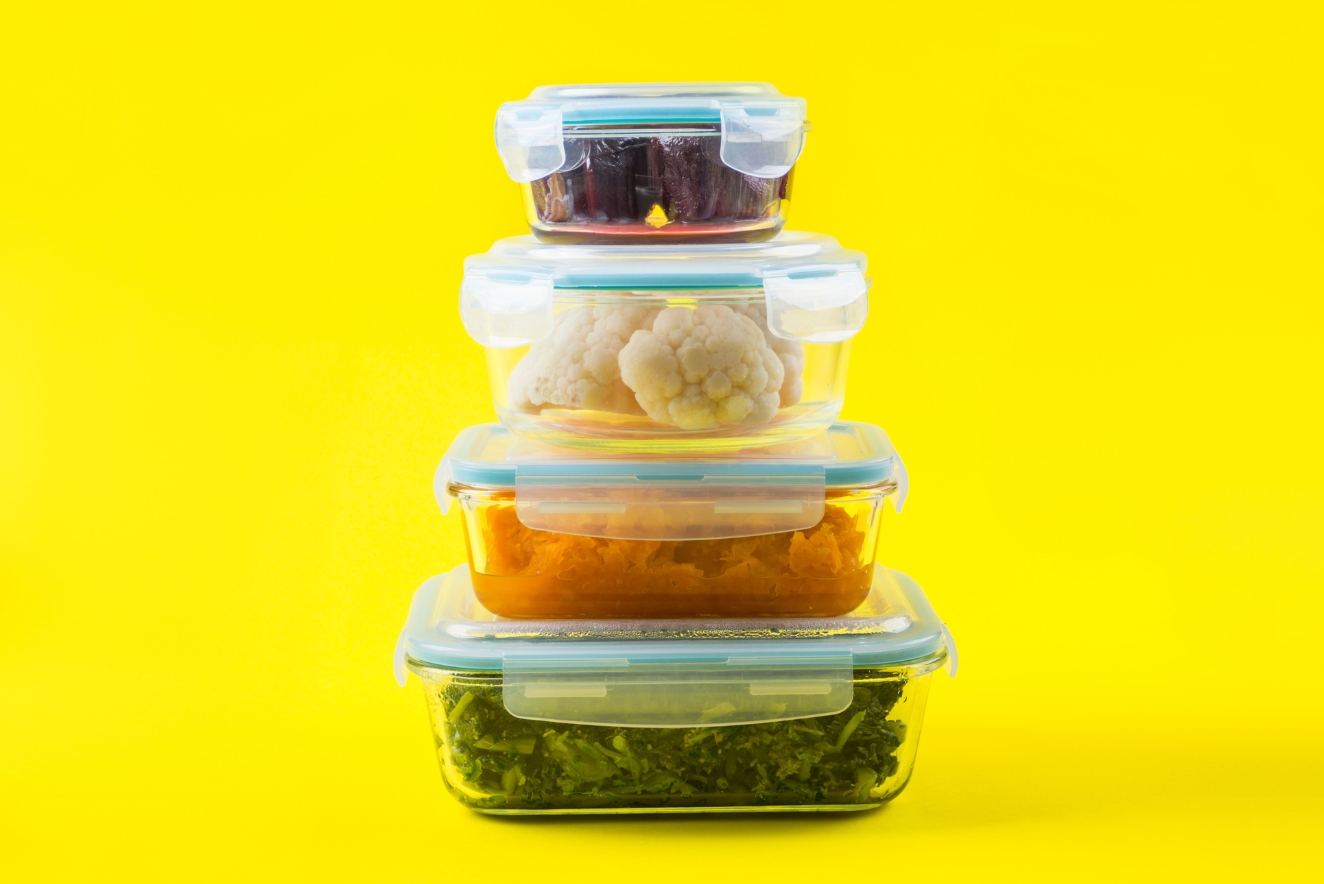
Batch cooking is a game-changer. Spend a couple of hours one day prepping grains, proteins, and veggies. Then mix and match throughout the week.
Here’s a go-to combo in our kitchen: roast a tray of chicken breasts, cook a pot of basmati rice, and prep a bunch of veggies. On Monday it’s a rice bowl, Tuesday a salad, Wednesday a stir-fry. Same ingredients, different vibes.
Not super confident in the kitchen yet? You’ll want to check out our article on 5 Life-Changing Cooking Techniques for Every Home Chef!—it’s beginner-friendly but packed with tips even pros forget.
And when it comes to prep, smart tools save serious time:
Pre-chop your veggies or stock up on frozen
Use a food processor to blitz, slice, or shred in seconds (this one’s a favorite)
Invest in a sharp chef’s knife—you’ll use it daily (this is the exact one we recommend)
Label and freeze extras for those “what’s for dinner?” moments
And please—don’t skip food safety. Use an instant-read thermometer for meats. Cool food quickly, store it properly, and reheat with care. Are you storing food safely? this FDA guideline on cooling and storage breaks it all down clearly—worth bookmarking.
A little prep goes a long way. You’ll thank yourself all week.
Overcoming Common Meal Planning Challenges
Even with a plan, real life happens. Here’s how to roll with it:
Picky eaters? Get them involved. Have a DIY taco night or build-your-own rice bowls so everyone gets what they want without the stress.
Schedule got messy? Keep a few pantry-friendly recipes in your back pocket—like pasta with canned tomatoes, lentil soup, or quick quesadillas.
Burnout? It’s real. Shake things up with new cuisines, try a new cookbook, or swap roles in the kitchen. Don’t be afraid to take shortcuts now and then. Frozen meals aren’t evil if they save your sanity.
Eating out or going to events? Plan for it! Meal planning is flexible. Just adjust your week accordingly.
Tech-Savvy Meal Planning: Apps and Online Resources
Meal planning has gone digital—and it’s pretty amazing.
Today’s apps do more than just organize recipes. They generate shopping lists, track nutrition, and suggest recipes based on what’s in your pantry or what’s on sale.
Some even use machine learning to recommend meal plans based on your dietary needs, past choices, and local grocery store trends. It’s like having a personal nutritionist that lives in your pocket.
My personal favorite? Chatting with ChatGPT. I bounce ideas around, ask for recipe inspiration, and even troubleshoot what to make with three random ingredients and half a lemon. It’s fun, fast, and surprisingly creative.
Online communities are another goldmine—Reddit threads, Facebook groups, food blogs. Real people sharing real ideas. I’ve discovered some of my go-to recipes from strangers online.
And let’s not forget smart kitchen tools. Fridges that track your inventory, apps that preheat your oven, slow cookers you can control from your phone… it’s not sci-fi anymore. It’s here.
 Meal Planning for Special Diets and Health Goals
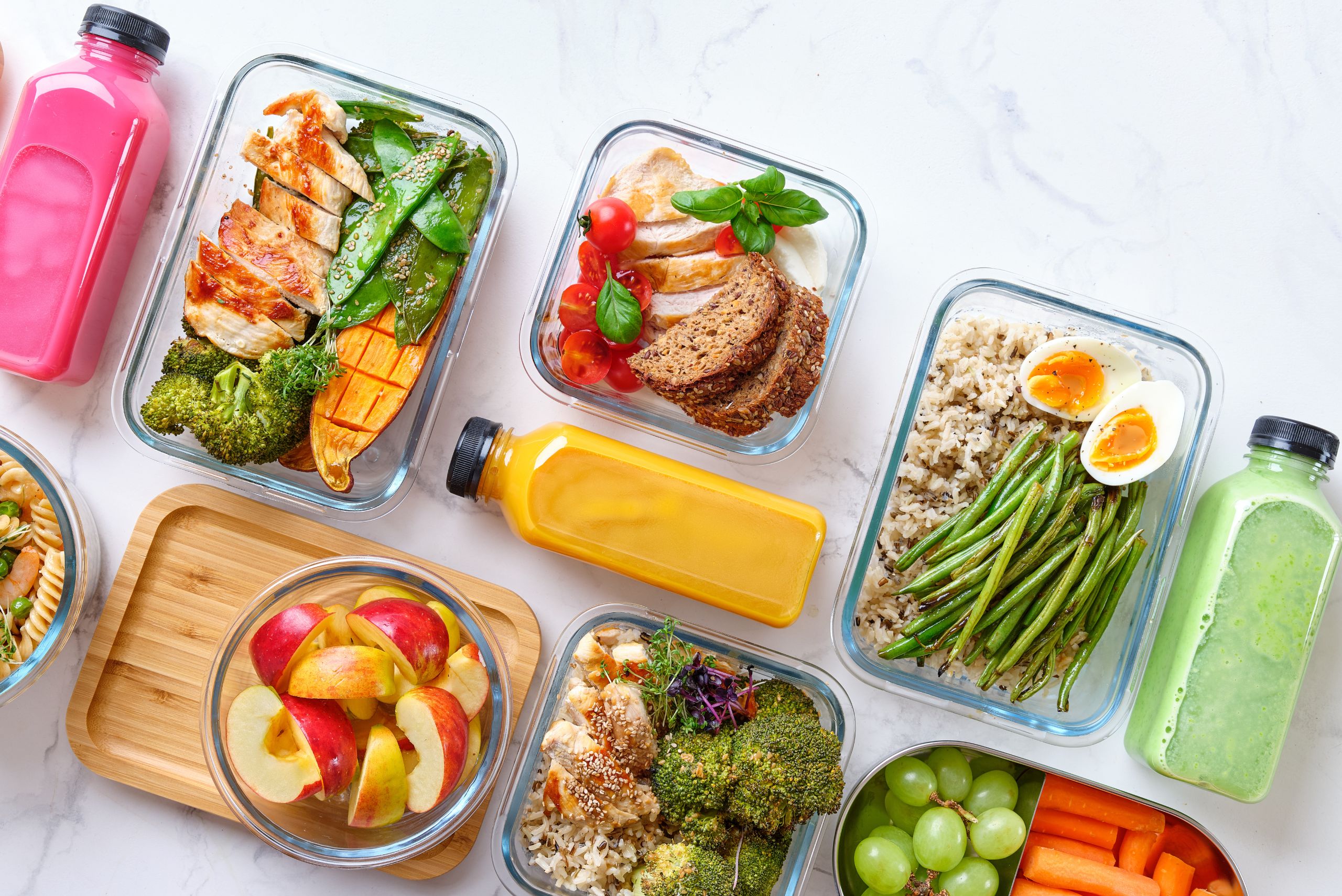
Meal planning isn’t one-size-fits-all—and that’s the beauty of it.
Trying to lose weight? Focus on lower-calorie, high-nutrient meals. Pre-portioning helps with consistency.
Building muscle? Prioritize protein and snacks that support recovery.
Following a special diet? Gluten-free, vegetarian, keto—planning helps you avoid the “what can I even eat?” spiral. There are tons of apps and cookbooks tailored to every eating style.
Want to experiment with trendy superfoods? Meal planning helps you integrate them intentionally. Add chia to your overnight oats. Try lentil pasta. Sprinkle that fancy mushroom powder on your soup.
Trends come and go. A balanced approach will always win.
Final Thoughts: Progress, Not Perfection
Meal planning isn’t about perfection—it’s about being prepared.
Start small. Stay flexible. Let it support your lifestyle instead of controlling it.
Whether you’re a working parent, a solo cook, or somewhere in between, this simple habit has the power to shift how you eat, shop, and feel.
So grab that planner, turn up your favorite playlist, and get ready to conquer your kitchen—one well-planned meal at a time.
Your future self (and your fridge) will thank you.
Happy planning, and bon appétit!